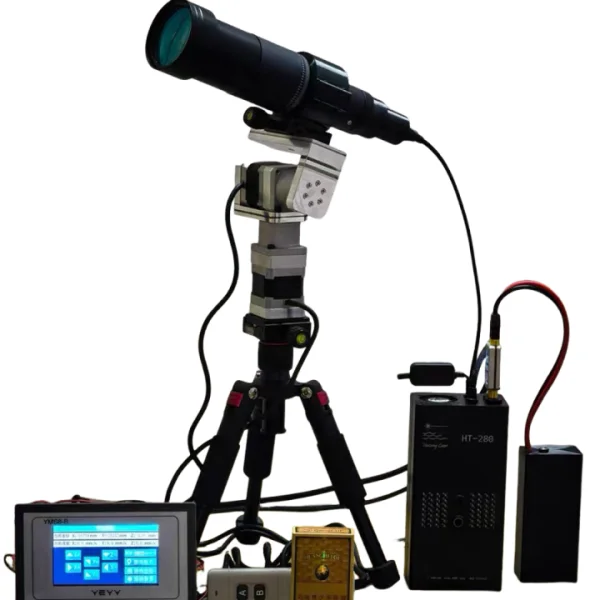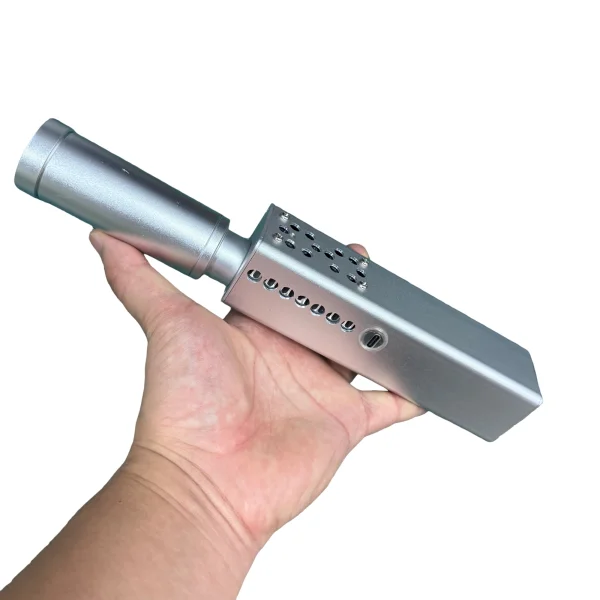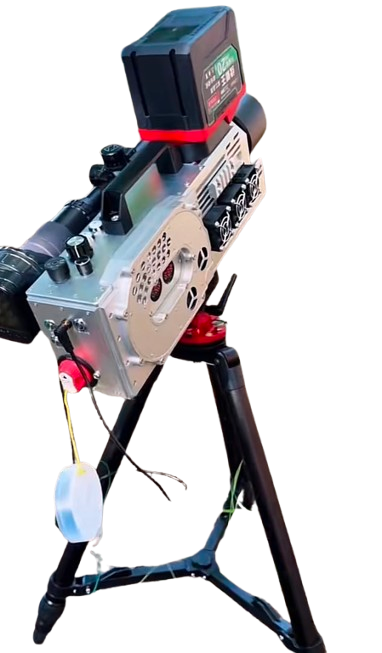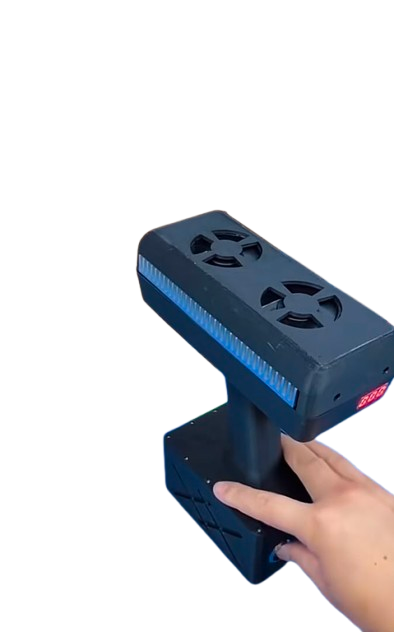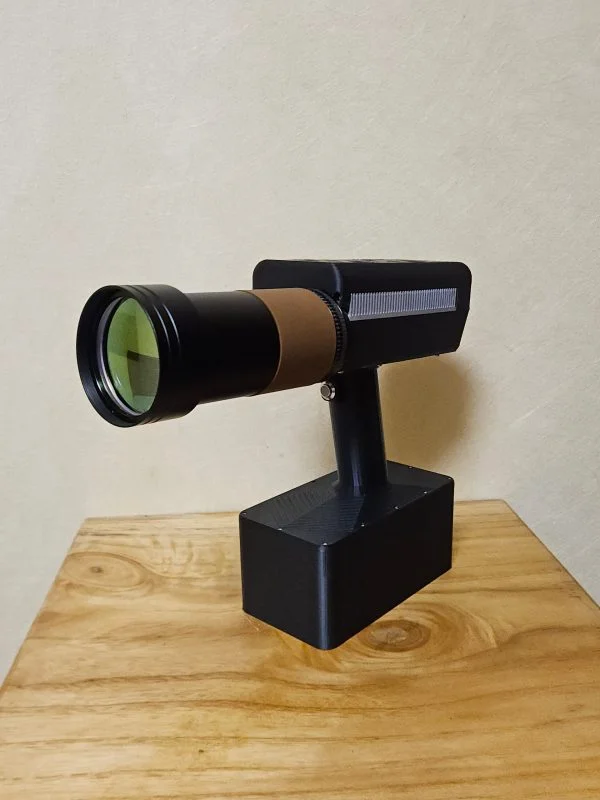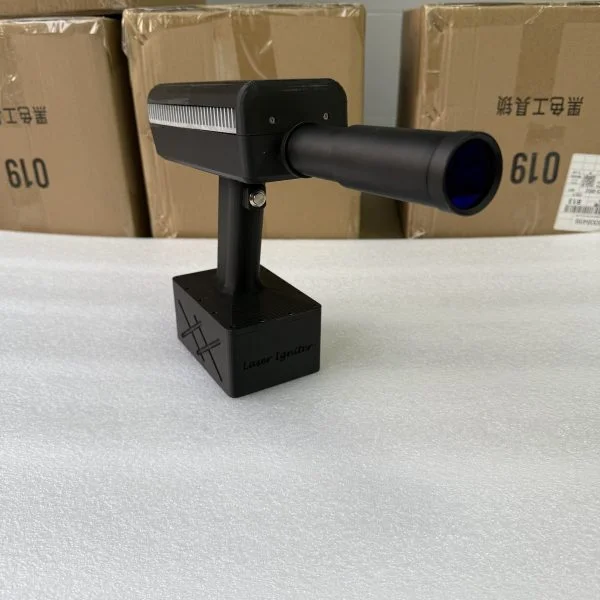
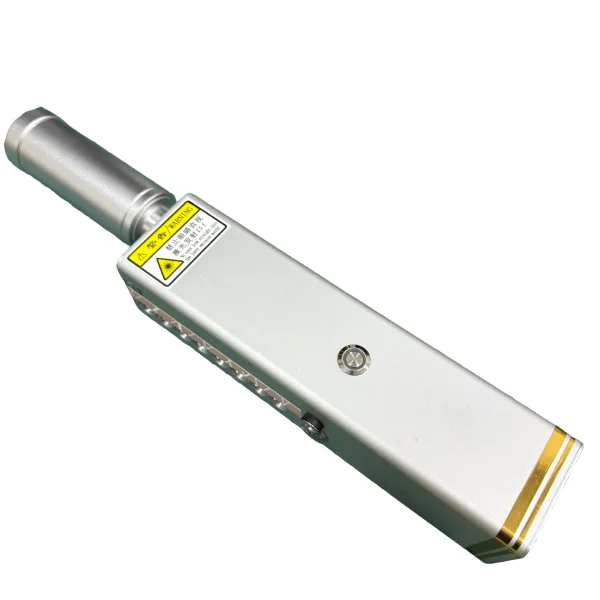
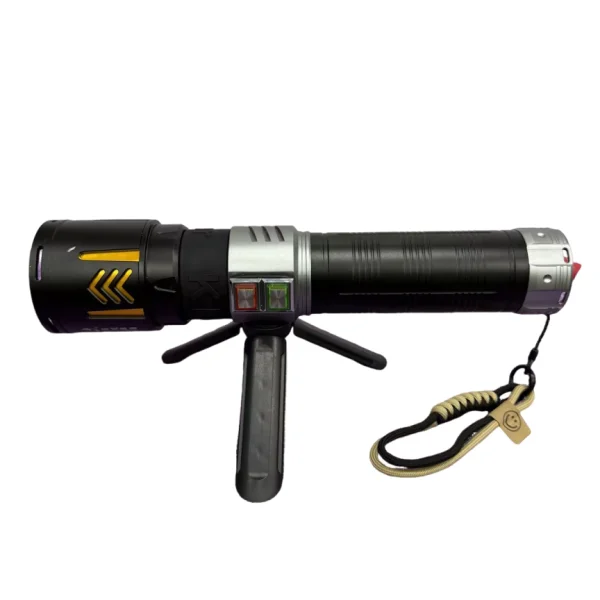
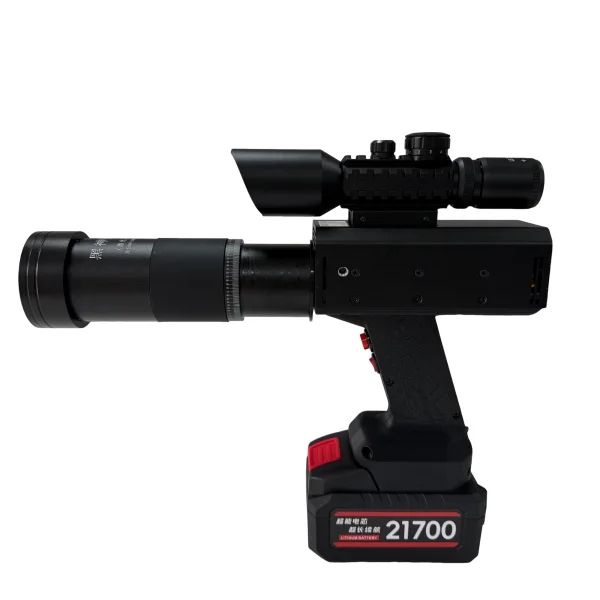
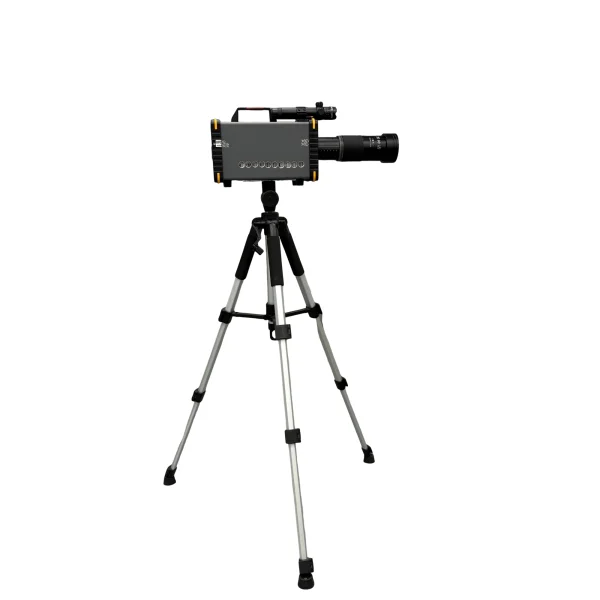
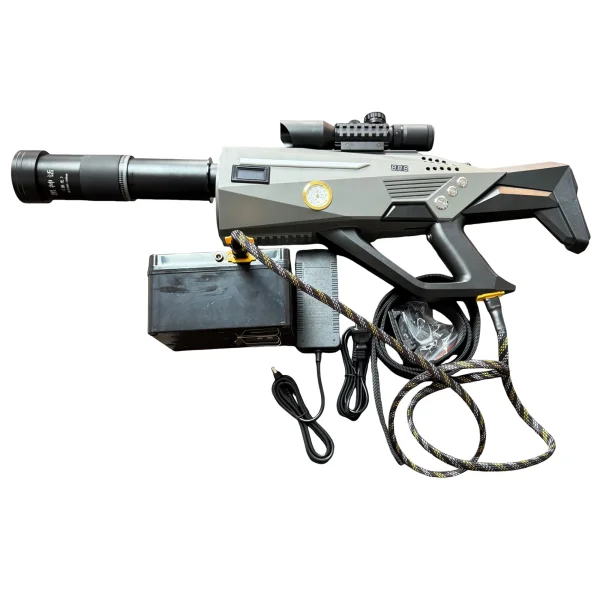
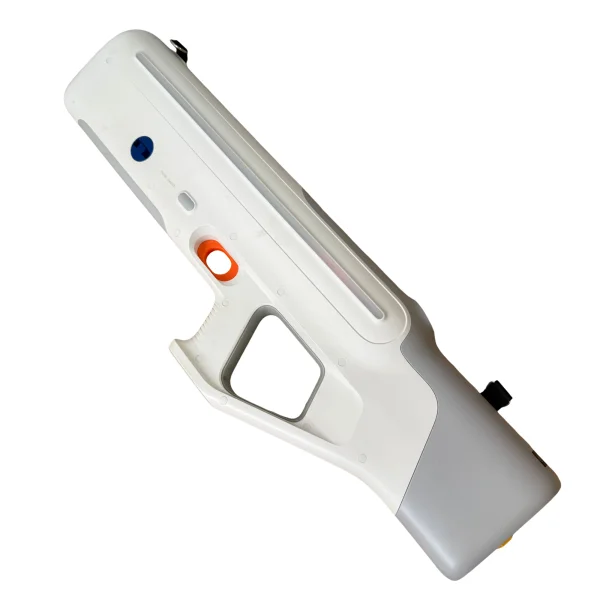
FAQ matters because when you are trying to find answers about modern portable ignition tools, wading through confusing manufacturer specs can waste a lot of time. As someone who has spent years testing and selling cutting-edge gear like portable laser igniters which use a concentrated optical beam to heat materials right up to their ignition point rather than relying on standard electric arcs or plasma I often get asked the same practical questions. Let’s dive right into the core of what you need to know about choosing, handling, and understanding these high-intensity thermal devices in the field.
Key Takeaways
- Optical vs. Electrical:True laser igniters harness concentrated light beams, completely setting themselves apart from conventional plasma or electric arc lighters.
- Power Thresholds: Effective outdoor models generally require substantial milliamp or watt outputs to successfully spark tinder without fluid.
- Wind Resistance:Because they rely on a focused light beam rather than an exposed open flame, they perform remarkably well in heavy winds.
- Safety First: Strict handling protocols, including target awareness and protective considerations, are necessary due to high optical intensity.
Understanding FAQ and Modern Laser Ignition Technology
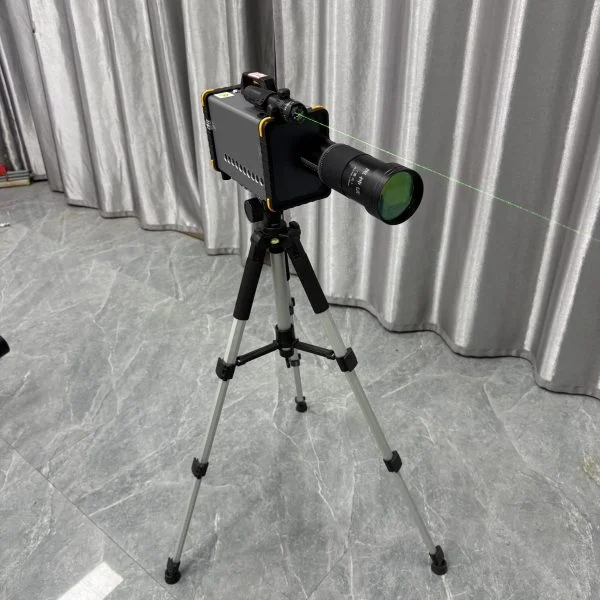
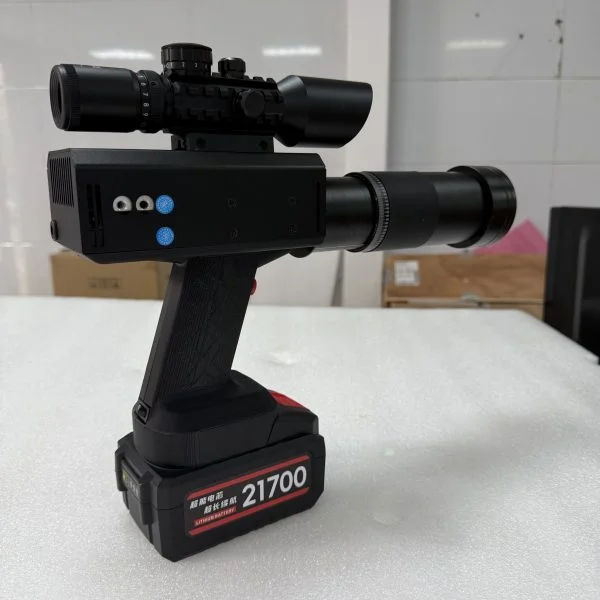
FAQ guides and technical breakdowns are often the best starting point when exploring how advanced hardware operates in real-world scenarios. When people first look at a portable laser device designed to start fires, they usually confuse it with a standard rechargeable USB plasma lighter. I think it helps to clear that up immediately. A plasma lighter creates an electrical bridge of ionized air between two electrodes, whereas a genuine optical thermal igniter projects a focused beam of coherent light energy onto a tiny focal point.
In my experience running tests out in various weather conditions, the difference is night and day. Traditional electronic arc devices can sometimes short out if debris builds up around the prongs. Optical units bypass physical electrode wear entirely, though they demand a bit more respect regarding beam direction and accidental reflections. When you are out prepping emergency gear or building a survival kit, understanding these operational nuances ensures you pick the right piece of equipment for your specific lifestyle.
Why Choose a Portable Laser Igniter Over Traditional Options?
FAQ queries frequently touch on why someone would transition away from old-school butane torches, matches, or standard electric arc gadgets. I remember testing my first high-power prototype years ago, wondering if it was just a gimmick. Turns out, the precision control you get from a focused optical beam is astonishingly useful. You aren’t fighting a flickering flame that dances around in a breeze; you are placing a pin-point thermal source directly onto black tinder, char cloth, or dark paper.
Of course, it is not all sunshine and perfect automation. I have occasionally found that lighter-colored tinder or reflective surfaces bounce the beam away, forcing me to adjust my approach or use darker carbon-rich kindling. That minor inconsistency is part of the learning curve. Unlike a simple push-button gas lighter, mastering an optical igniter takes a little patience. But once you get a feel for the focal distance and battery output requirements, the reliability in howling winds makes the adjustment worthwhile.
User Guide: Selecting and Operating Your Device Safely
FAQ research wouldn’t be complete without a comprehensive user manual approach. If you are shopping for a reliable unit, you need to look closely at output specifications. Low-power laser pointers won’t cut it for practical field use; you generally need devices engineered specifically with higher thermal thresholds—often operating in higher milliwatt or watt ranges—to achieve rapid combustion.
Here is a practical breakdown of factors to keep in mind when handling your gear:
- Check the Output Rating: Ensure the device delivers enough concentrated energy to handle your intended outdoor tasks.
- Focus Adjustment: Units with adjustable lenses allow you to tighten or widen the beam spot depending on how close you are to your tinder.
- Battery Management: High-draw optical diodes consume power quickly, so always verify your charge levels before heading out on an extended trek.
- Environmental Awareness: Keep the work area clear of unintended reflective surfaces that could scatter the beam unpredictably.
Frequently Asked Questions
What makes laser igniters different from standard plasma or electric arc lighters?
Laser igniters utilize a concentrated, high-intensity optical light beam to heat combustible targets directly to their ignition threshold. In contrast, plasma and electric arc lighters rely on high-voltage electricity to create an ionized electrical spark or electric arc through the air between two physical metal electrodes.