


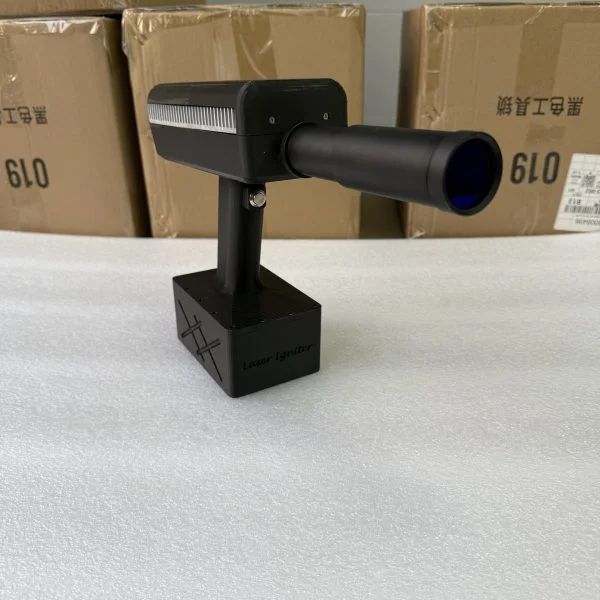
Why Choose Us is the ultimate question when looking for reliable, portable devices that use a concentrated laser beam to ignite combustible materials by heating them to their ignition temperature. Unlike standard electric arc lighters or plasma lighters, high-powered portable laser igniters offer unmatched precision, wind resistance, and modern engineering. In this comprehensive guide, mr. leo walks you through everything you need to know about selecting, maintaining, and utilizing these advanced tools for outdoor adventures, survival kits, and everyday utility, ensuring you make an informed decision based on real-world testing and expert insight.
Key Takeaways
- Concentrated Optical Energy:Portable laser igniters focus a high-intensity beam onto a tiny focal point to rapidly elevate material temperatures without an open flame.
- Superior Wind Resistance: Unlike conventional matches or butane lighters, laser beams cannot be blown out by harsh gales or sudden gusts outdoors.
- Rechargeable Efficiency:Built-in lithium battery modules eliminate the need for liquid fuel or disposable plastic components, providing long-term service.
- Transactional Intent:Finding the right model requires balancing output power, active thermal cooling, and battery capacity for your specific use case.
Understanding the Mechanics Behind Modern Laser Igniters
When people first encounter portable devices that use a concentrated laser beam to ignite combustible materials by heating them to their ignition temperature, they are usually surprised by how different the technology is from traditional fire-starters. I remember testing the first generation of these tools years ago, wondering if they would simply burn out or drain their power cells too fast. As someone who has spent decades handling specialized gear, I can tell you that the shift from simple sparks to optical energy represents a massive leap forward in portable ignition.
Unlike electronic arc lighters or plasma lighters—which rely on an electrical discharge jumping between two electrodes—a laser igniter harnesses focused light waves. This concentrated beam transfers photons directly into the target surface. When dry tinder, charcoal, or dark-colored kindling absorbs that optical energy, its temperature spikes almost instantly. You do not have to worry about gas leaks, flint wheels wearing down, or high-altitude air pressure affecting your success rate.
Of course, it is not magic; it is pure physics combined with clever hardware engineering. The optical lens assembly must be kept clean, and the focal point must be dialed in correctly. If you try to target shiny or translucent surfaces, the efficiency drops significantly because the light passes right through or reflects away. That minor limitation is something I always point out to people who expect a laser to instantly melt solid metal. It is designed to heat combustible tinder to its threshold, not act as an industrial cutting torch. For outdoor enthusiasts, survivalists, and hobbyists who appreciate clean technology, understanding these nuances makes all the difference in daily performance.
Why Choose Us: Our Philosophy and Quality Standards
Why Choose Us when the market is flooded with cheap gadgets and questionable imports? Well, the answer comes down to rigorous testing, component quality, and a genuine passion for high-performance gear. I started offering these specialized items because I got tired of seeing flimsy products fail when users needed them most. When you purchase a device designed to handle high-intensity optical output, you need absolute confidence in its build integrity, battery management system, and thermal dissipation.
We do not just drop-ship whatever is trending on a wholesale catalog. Every single batch of portable devices that use a concentrated laser beam to ignite combustible materials by heating them to their ignition temperature goes through strict evaluation. We check the driver boards, inspect the internal soldering, and test the rechargeable lithium iron phosphate battery modules under load. If a housing material cracks too easily under thermal stress or if the active cooling fan fails prematurely, it never makes it to our inventory.
Furthermore, customer support is a huge pillar of our operation. If you are struggling to understand how to adjust the manual focus ring or need advice on what type of tinder works best with a 405nm or higher-output diode, we are right here to help. Choosing our platform means you are partnering with someone who actually uses and understands the hardware, rather than a faceless corporation that only cares about quick sales. That commitment to transparency and reliability is what keeps our community coming back.
Comprehensive User Guide: Operating Your Portable Laser Igniter Safely and Effectively
Operating a high-power optical fire starter requires a bit more mindfulness than flicking a plastic cigarette lighter. Because these portable devices use a concentrated laser beam to ignite combustible materials by heating them to their ignition temperature, safety must always come first. Let us walk through a practical workflow to ensure you get the best performance out of your unit while avoiding common mistakes.
First, always inspect the device before heading out into the field. Check the optical lens for dust, smudges, or soot buildup. A dirty lens disperses the light beam, drastically reducing the thermal concentration needed for quick ignition. Next, verify your battery level using the integrated color display or status indicator lights. Running a laser driver on a critically low battery can cause voltage drops that hinder performance.
When you are ready to start a fire or ignite a combustible target, follow these simple steps:
- Clear a stable workspace or fire ring, placing your dry tinder, charcoal, or dark paper on a non-flammable surface.
- Power on the master switch and adjust the manual focus ring until the laser dot on your target is as tight and concentrated as possible.
- Maintain a steady hand, keeping the device rigid to prevent the focal point from drifting away from the optimal spot.
- Engage the trigger button for brief, controlled intervals, watching for smoke or the initial glow of combustion.
- Release the button immediately once ignition is achieved, and allow the internal cooling fan to run for a few moments if you have been operating the unit continuously.
One mistake I see beginners make is holding down the trigger for too long without pausing, which can push the laser diode past its comfortable thermal limits. Active heat dissipation features help mitigate this, but giving the device brief rests during extended use cycles ensures a much longer service life. Treat the tool with respect, keep it away from children, and it will serve you reliably through countless outdoor excursions.
Listicle of Top Portable Laser Ignition Models and Gear Configurations
To help you navigate the various options available, here is a detailed breakdown of top-performing configurations and setups commonly sought after by outdoor gear enthusiasts and technology hobbyists.
- The Compact Everyday Carry (EDC) 350mW Unit: Ideal for casual hikers and emergency kits, this lightweight configuration utilizes a lower-range diode that easily fits into a pocket or small pouch. It excels at lighting camp stoves, incense, and fine tinder without taking up valuable space in a backpack.
- The High-Output Wilderness 500W-Class Config: Built for serious bushcraft and survival preparedness, this robust setup features enhanced thermal sinking, a heavy-duty casing, and a high-capacity lithium iron phosphate battery module. It cuts through stubborn wind conditions and handles denser combustible materials with impressive speed.
- The Modular Open-Hardware Platform Kit: Popular among DIY enthusiasts, this version allows users to assemble, customize, and upgrade their own housings and driver boards using 3D-printed components and quick-release battery magazines. It offers deep insight into the internal mechanics of portable optical ignition devices.
- The Dual-Button Tactical Igniter: Designed with safety interlocks and an integrated color IPS status screen, this model requires a specific sequence of button presses to activate the beam, preventing accidental discharges while stowed in heavy gear bags.