


Demystifying What Are Laser Igniters: A Hands-On Guide from Mr. Leo
If you have ever stood in a gusty field trying to light a stubborn burner or ignite a specialized material with a standard spark wheel, you know the frustration. Plasma lighters flicker, electric arcs blow out, and traditional matches give up instantly. That is actually what led me down the rabbit hole years ago into building and selling portable beam-based ignition tools. People constantly ask me, what are laser igniters, and why are they fundamentally different from everything else on the workbench?
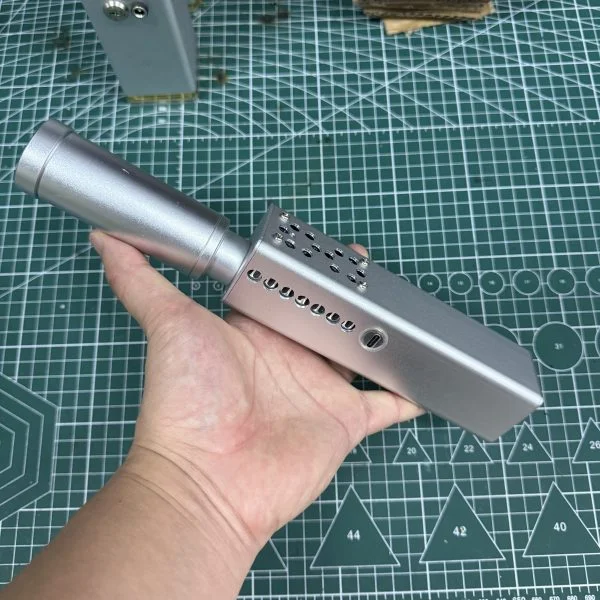
Simply put, they are compact, high-intensity handheld units that project a tightly focused, concentrated optical beam capable of heating combustible targets directly to their exact ignition temperature. There is no open flame, no gas, and no fragile heating coil that burns out after a few dozen uses. I remember testing my first early prototype in a damp garage; while standard options sputtered out from the moisture in the air, the optical thermal beam cut straight through, concentrating pure photon energy right onto the target point. It completely changed how I think about portable thermal activation.
Key Takeaways
- Pure Optical Energy: Unlike electric arcs or plasma beams that rely on electrical discharge through air, these devices use focused photons to deliver localized heat directly to a target.
- Windproof and Fuel-Free: Because there is no open flame or gas reservoir, atmospheric conditions like wind or high altitude have zero impact on performance.
- Precision Control: The focal point of the beam allows for pinpoint accuracy, ensuring you only heat the exact microscopic spot required for ignition.
- Built for Longevity: With fewer moving parts and no degrading metal elements, these tools offer a remarkably long operational lifespan when handled correctly.
Understanding What Are Laser Igniters and How They Work Under the Hood
When breaking down what are laser igniters, you have to look past the sleek outer casing and examine the physics inside. I have spent countless hours at my workbench tinkering with optical diodes, focusing lenses, and power management circuits. Most standard lighters create a spark or a plasma bridge. That works fine for lighting a campfire in ideal conditions, but it scatters energy over a wide area. A thermal optical beam tool operates entirely differently. It houses a high-efficiency solid-state laser diode that generates a coherent beam of light.
That beam then passes through a specialized optical assembly—essentially a series of microscopic lenses—that condenses the light down to a tiny, high-energy focal point. When that concentrated energy hits a dark or absorbent combustible material, the photons are instantly absorbed and converted into intense localized heat. I think of it like using a magnifying glass to focus sunlight on a dry leaf, except you are carrying that intense, portable sun in your pocket, and it works at midnight just as well as it does at noon.
You might wonder if it requires a massive battery pack to achieve this. Modern lithium-ion technology has evolved so much that we can now pack substantial power into a handheld casing. However, managing that power safely is critical. That is why every serious unit incorporates safety interlocks and press-and-hold activation triggers. You cannot just leave it turned on in your pocket; the safety protocols demand intentional, two-step operation. It is a level of engineering precision that you simply do not find in cheap novelty gadgets.
Exploring the Differences: Laser Devices vs. Plasma and Arc Lighters
Over the years, customers frequently drop by my shop comparing my inventory to the cheap USB rechargeable options flooding online marketplaces. They ask me if a plasma lighter is basically the same thing. I always stop them right there, because confusing the two usually leads to burnt fingers or a broken device.
Plasma and electric arc lighters create a high-voltage electrical discharge between two small electrodes. If you try to light something bulky, the physical structure of those electrodes gets in the way. Furthermore, if the material you are trying to ignite produces soot or residue, it coats the electrodes instantly, ruining the arc.
Beam-based tools bypass all of that. Because the energy travels as light through open air until it strikes a solid surface, there are no physical metal prongs blocking your target. You can reach into deep recesses or tricky angles without obstruction.
- No Electrode Wear: Plasma units degrade as the electrical spark slowly erodes the metal pins over time. Optical units have no physical contact points at the business end.
- Energy Delivery: Arcs heat the air between the prongs to create plasma. Optical devices heat the target material itself via photon absorption.
- Environmental Resilience: High winds blow out arcs and disperse plasma streams. A concentrated light beam slices right through heavy gales without missing a beat.
I will admit, though, that these advanced tools demand more respect. An electric arc might sting if you touch it, but a concentrated optical beam packs enough localized thermal density to damage eyesight instantly if mishandled. That is why proper protective eyewear and strict operating discipline are non-negotiable parts of ownership.
Practical Applications and User Guide for Portable Optical Ignition Tools
Knowing what are laser igniters is only half the battle; knowing how to integrate them into your daily workflow or outdoor kit safely is where true expertise shines. Whether you are working in a specialized workshop, managing remote field equipment, or handling niche outdoor survival gear, mastering the technique takes a little practice.
Step-by-Step Operating Guide
- Inspect Your Optic Lens: Before powering on the device, take a quick peek at the front aperture. Dust, lint, or fingerprint oils can absorb the beam’s energy right at the glass, which can overheat the lens. Wipe it clean with a microfiber cloth if necessary.
- Wear Protective Gear: Always slip on the certified laser safety glasses designed for your specific wavelength. Even stray diffuse reflections can cause retinal damage over time.
- Secure Your Target: Position your combustible material on a stable, non-flammable surface. Because the beam requires absolute stability to form a proper thermal point, resting your hand against a steady brace helps keep the focal point locked in place.
- Engage Safety and Trigger: Release the mechanical safety lock, aim the guide dot at the exact spot you wish to heat, and press the activation switch. Watch the target surface closely. Within a second or two, you will see smoke or a localized reaction indicating ignition temperature has been reached.
- Power Down Immediately: Release the switch as soon as ignition occurs. Store the device in its protective hard case once it has cooled down.
I remember helping a colleague who used one of these units for marine field research in damp coastal environments. Traditional matches failed him constantly, and electronic coils rusted out within weeks from the salty air. By switching to an optical thermal igniter with a sealed housing, he solved his field reliability issues overnight. It is moments like that which prove why proper tool selection matters.
Conclusion
Navigating the world of modern thermal tools can feel overwhelming with all the marketing hype out there, but understanding what are laser igniters cuts right through the noise. They represent a massive leap forward in portable ignition technology, trading clumsy electrical sparks and unreliable open flames for clean, concentrated photon energy. From windproof outdoor reliability to unmatched precision in tight spaces, these devices offer a professional-grade alternative for anyone tired of conventional gear failing when it matters most. As you weigh your options, always prioritize build quality, safety features, and proper handling practices to get the absolute best performance out of your investment.
Frequently Asked Questions
Can these portable optical tools light any material instantly?

No, performance depends heavily on the color and composition of the target. Because these devices rely on photon absorption, dark, matte, and absorbent surfaces heat up and ignite very quickly, whereas highly reflective or shiny metallic surfaces will bounce the beam away, rendering them difficult to target without a dark primer or specialized absorbing medium.