


how to use laser igniters effectively requires understanding how concentrated thermal energy replaces traditional open flames in outdoor, industrial, or survival scenarios.
Key Takeaways
- Flameless Operation: Learn how portable laser tools use concentrated light beams to heat targets directly to their ignition point without depending on butane fuel or traditional electrical spark gaps.
- Core Safety Protocols: Protect your vision and environment by respecting beam reflections, wearing appropriate wavelength-specific eye protection, and avoiding accidental triggers.
- Practical Applications: Discover how field operators deploy these specialized tools for controlled campfires, survival fire-starting, and precise thermal tasks in windy conditions.
Understanding the Mechanics Behind Portable Laser Igniters
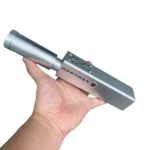
How to use laser igniters safely starts with realizing these are entirely distinct from standard electronic arc lighters or plasma options. When I first picked up a portable laser model for field testing out behind the workshop, I honestly underestimated how quickly a concentrated beam transfers intense thermal energy onto a dark or matte-finished target. Unlike plasma lighters that rely on an electric arc jumping between two electrodes, a laser igniter projects a tightly focused beam of coherent light. That photon energy hits a combustible surface—like char cloth, dark wood shavings, or carbon-rich tinder—and rapidly drives up local temperatures until pyrolysis kicks in and ignition occurs.
It is a fascinating process, though perhaps a bit touchy if you do not position your target correctly. You cannot just shine it at anything and expect immediate results; shiny metal surfaces, for instance, will reflect the beam hazardously, while dark, non-reflective materials absorb the light instantly. I remember spending a good twenty minutes trying to ignite a damp twig before realizing surface moisture completely ruins the thermal transfer. You learn real quick that preparation of your tinder bundle matters just as much as the device in your hand.
Step-by-Step User Guide: Operating Your Device Safely
Mastering how to use laser igniters in real-world environments demands strict adherence to basic operational steps. I always tell folks who order from us to treat these handheld units with the same respect they would afford any precision cutting tool or firearm.
- Step 1: Secure Your Environment. Before powering on your unit, clear the immediate workspace of any accidental reflective clutter. Make sure you are outdoors or in a well-ventilated area away from volatile fuel cans or explosive aerosol vapors.
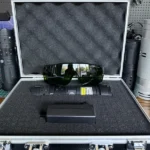
- Step 2: Don Proper Eye Protection. Even scattered reflections from high-powered handheld lasers can damage your vision. Always slip on certified laser safety glasses matched to your device’s specific operational wavelength before pressing the activation switch.
- Step 3: Prepare the Target Material. Position your tinder—such as charred jute twine, dark carbon paper, or dry pitchwood—on a non-flammable surface like a slate stone or a metal fire tray.
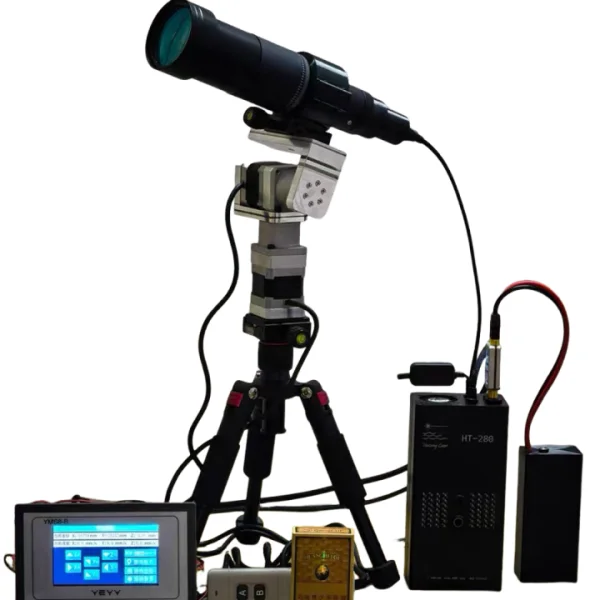
- Step 4: Focus and Ignite. Align the built-in guide beam or focal adjustment ring until the optical energy pinpoints a microscopic dot on your target. Hold the power switch steady without twitching your wrist. Within a few seconds, you should notice smoke or a glowing ember forming right at the focal center.
Sometimes the beam drifts if your hand shakes—and trust me, mine does after a long day of packing gear—so resting your hand against a stable surface helps maintain that vital focal point.
Essential Safety Practices and Maintenance Tips
How to use laser igniters without running into frustrating hardware failures or safety mishaps usually boils down to basic lens care and thermal management. People often forget that optical lenses collect dust, soot, and microscopic debris over time. If your beam looks weak or scatters unevenly across your target, chances are the output glass is smudged.
I make it a habit to check the aperture lens after every few uses. Gently wipe it down with a clean micro-fiber cloth or specialized optical lens paper—never use rough shirt sleeves or harsh chemical solvents that can strip anti-reflective coatings. Furthermore, pay attention to battery duty cycles. Driving diode lasers continuously at maximum output generates significant internal heat. If the chassis feels uncomfortably warm in your palm, give the unit a five-minute break to cool down. Overheating degrades the internal diode lifespan faster than almost anything else, and nobody wants a dead tool when they are counting on it out in the elements.
Conclusion
Getting comfortable with how to use laser igniters transforms a high-tech novelty into an incredibly reliable tool for your kit. By respecting the unique optical properties of concentrated light beams, preparing proper dark-colored tinder targets, and keeping your lenses clean, you can bypass the traditional frustrations of wind-doused matches and empty butane lighters. Take your time practicing outdoors under controlled conditions, wear your safety glasses every single time, and let precision engineering do the heavy lifting for your next fire-starting task.
Frequently Asked Questions
Can laser igniters work in heavy wind or rain?

Yes, that is actually one of their biggest operational advantages over standard butane lighters or matchsticks. Because the ignition relies entirely on a concentrated beam of light traveling through the air rather than an open flame or electric spark gap, sudden gusts of wind cannot blow it out. However, heavy rain or dense water droplets can scatter or absorb the optical beam, so you will still want to shield your target area behind a pack or rock ledge if the weather turns severe.