


Unpacking the Great Debate: Laser Igniters vs Plasma Lighters Through the Eyes of an Old Pro
If you have spent as many decades tinkering with tools, gear, and specialized equipment as I have, you develop a certain appreciation for how technology evolves. People walking into my shop or visiting my site often scratch their heads when they see cutting-edge thermal gear sitting next to standard electric units. They want to know what actually sets these modern devices apart. When comparing laser igniters vs plasma lighters, you are looking at two entirely different schools of physics trying to solve the exact same everyday problem. A plasma lighter relies on high-voltage electricity jumping across physical metal electrodes to create a tiny, buzzing electrical arc.It is cool, it is rechargeable, and it handles mild wind decently well.
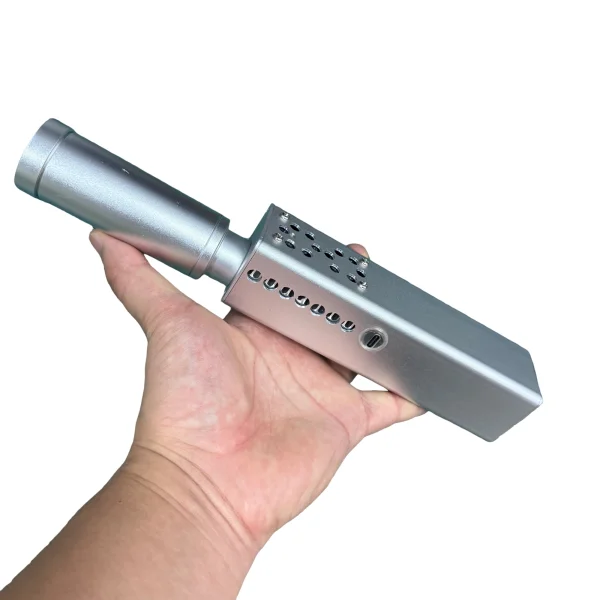
But a laser igniter takes a completely different path. Instead of ionizing air through an open gap, it channels concentrated optical photon energy straight through an integrated lens assembly, projecting a localized beam of pure light that heats target materials down to their precise combustion point without any physical interference.
I remember testing my first dual-arc electrical unit out in a stiff coastal breeze years ago; while it worked up to a point, the wind eventually distorted the electrical bridge. When I switched over to an optical thermal beam unit, the wind completely lost its leverage because light does not care how hard the air is moving. It is a fascinating shift in engineering, and understanding how these systems operate will save you plenty of frustration down the road.
Key Takeaways
- Fundamental Physics:Plasma options create an electrical bridge by ionizing air between two metal prongs, whereas laser alternatives focus an optical light beam directly onto the target surface.
- Physical Obstruction: Plasma arcs require physical proximity between electrodes, which can get blocked by bulky shapes or clogged with soot residues over time. Beam-based units have an unobstructed path.
- Wind Resilience:While both beat traditional fluid setups, concentrated light beams remain entirely unaffected by heavy atmospheric gusts that can disrupt or blow out an open electrical arc.
- Handling and Precision:Optical tools demand strict safety discipline and steady hands due to invisible beam risks, offering unmatched microscopic accuracy compared to wider electrical sparks.
Exploring the Core Engineering Behind Laser Igniters vs Plasma Lighters
When you sit down at a workbench to pull apart these gadgets, the architectural differences become glaringly obvious. I have spent countless late nights examining circuit boards, micro-diodes, and battery management systems. A standard plasma gadget operates on a step-up transformer principle. You press the button, the battery dumps voltage across two tiny tungsten or steel pins, and an electric spark bridges the gap. It is essentially a miniature lightning bolt enclosed in a handheld casing.
On the flip side, optical thermal units require an entirely different level of internal calibration. They house a solid-state diode that emits high-intensity coherent light, which is then shaped and concentrated by microscopic glass lenses. If dust or moisture gets onto that internal lens, the unit loses efficiency immediately. That is why enclosure sealing is such a massive deal when evaluating quality.
I often tell my customers that choosing between laser igniters vs plasma lighters is a bit like choosing between a blunt, heavy-duty hammer and a surgical scalpel. Both drive nails—or in this case, start fires—but they do it with entirely different philosophies. Plasma devices are robust, forgiving, and relatively simple to manufacture. Beam devices require precise focal lengths, disciplined target positioning, and a firm understanding of optical safety. If you miss your target angle with an electric arc, the spark still happens in the air. If you misalign an optical beam, nothing happens until the focal point hits a receptive, absorbent surface.
Field Performance: Putting Laser Igniters vs Plasma Lighters to the Test
Theory is great, but real-world testing tells the true story. I took a few samples out into the field during a damp autumn camping trip to see how they handled real conditions. My goal was simple: test reliability, ignition speed, and user fatigue under practical circumstances.
Plasma units are remarkably user-friendly out of the box. You flip the lid, press the button, and touch your tinder to the glowing cross-section of the arc. However, if your tinder is thick or oddly shaped, trying to wedge it between those rigid metal electrodes can be an exercise in frustration. Furthermore, carbon buildup from smoky materials quickly fouls the metal prongs, requiring frequent cleanings with a cotton swab.
When I switched to testing optical beam alternatives, the experience shifted dramatically. There are no prongs to get in the way. You can approach your target material from an angle, keeping your hands safely clear of any smoke or flare-ups.
- Target Material Interaction: Plasma arcs require direct contact with the conductive spark zone. Beam tools rely on photon absorption, meaning dark, matte materials ignite exceptionally fast, while shiny or reflective surfaces bounce the light away.
- Maintenance Demands:Electric arcs suffer from metal erosion over hundreds of ignition cycles as the intense heat slowly degrades the electrodes. Optical units avoid electrode wear entirely, though their exterior lenses require occasional gentle cleaning to maintain peak focal intensity.
- Power Efficiency:Both utilize modern lithium-ion rechargeable packs via USB, but continuous optical diode operation draws steady thermal current that requires smart internal heat-sink management to prevent premature thermal throttling.
I must admit, working with concentrated light beams makes you hyper-aware of your surroundings. A stray reflection off a polished tool can catch you off guard if you aren’t paying attention. That kind of operational mindfulness is second nature to me now, but it is something everyday users need to keep in mind.
Comprehensive Selection Guide for Outdoor Enthusiasts and Technophiles
Navigating the market requires balancing your specific environmental needs against the operational traits of each technology. Whether you are stocking an emergency bug-out bag, outfitting a workshop bench, or searching for reliable gear for backcountry hiking, matching the tool to your actual habits makes all the difference.
Step-by-Step Evaluation Framework
- Assess Your Environment: If you primarily need a device for casual, everyday settings where quick, foolproof operation matters most, a rugged electric arc model usually fits the bill. If you operate in extreme wind tunnels or require pinpoint thermal delivery in tight, recessed spaces, optical beam technology excels.
- Review Safety Protocols: Electric units carry minor shock risks if touched carelessly, along with slight electromagnetic interference. Optical units project invisible or high-intensity infrared/visible energy that demands certified safety glasses and strict trigger discipline to protect your eyesight.
- Examine Build Durability: Consider how you carry your gear. Plasma housings handle drops and rough pocket life well because they lack delicate internal glass elements. Precision optical assemblies require careful handling, as a severe impact can knock internal lenses out of alignment.
- Determine Target Materials: Look at what you routinely ignite. Standard cordage, paper, and dry tinder respond well to both systems, but specialized industrial tasks often benefit from the adjustable focal precision of a concentrated light beam.
I recall helping a friend who managed remote weather telemetry stations up in the mountains. He constantly battled gear failures due to moisture and freezing temperatures. While standard butane lighters froze up and early electronic models shorted out from condensation, a well-sealed optical ignition tool gave him the reliable, fuel-free performance he needed to service remote propane heating pilots without missing a beat.
Conclusion
The evolution of portable ignition has brought us a long way from the days of damp matches and sputtering fluid tanks. When breaking down the differences in laser igniters vs plasma lighters, you realize that both options offer fantastic, eco-friendly, rechargeable alternatives to old-school disposable gear.Plasma systems provide a rugged, accessible, and familiar electronic spark for general tasks, while optical beam tools deliver advanced, windproof, precision-engineered photon energy for specialized applications. By weighing your environmental challenges, safety comfort level, and intended uses, you can select the perfect companion for your kit and enjoy reliable ignition no matter where your day takes you.
Frequently Asked Questions
Which technology offers better longevity for heavy daily use?

While both options rely on rechargeable lithium batteries that eventually degrade over years of charge cycles, optical beam tools feature no physical electrodes to erode away from high-voltage electrical sparks. However, their complex internal lens assemblies demand careful protection against physical drops and hard impacts, whereas plasma units generally absorb rough handling a bit more forgivingly.