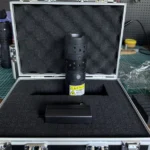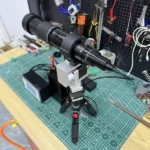



Are laser igniters windproof? It is funny how many times people ask me this out on the trail, usually right after a sudden gust of mountain wind snuffs out their third match in a row. When you introduce someone to a portable laser ignition tool for the very first time, they naturally assume that because it deals with light and intense thermal concentration, the elements might mess with it. After all, traditional lighters and even plasma arcs can be finicky when Mother Nature decides to act up.
But the short answer is yes, absolutely. A high-powered laser fire starter cuts straight through ambient air currents because it relies on a focused beam of coherent light rather than an open, flickering flame or an exposed electrical spark gap. Let us take a closer look at how these units hold up when the weather turns nasty, what makes them tick under pressure, and why so many backcountry enthusiasts are shifting away from older tech.
Key Takeaways
- Zero Flame Vulnerability:Because laser igniters project a concentrated beam of optical light instead of an open flame, blowing wind has zero physical medium to distort or extinguish at the source.
- Physics over Open Sparks: Unlike plasma lighters that rely on a delicate electrical air gap which can easily be blown sideways, light waves travel cleanly through open air to their target.
- Field Reliability: Weather resistance makes these devices ideal for high-altitude camping, windy coastal environments, and emergency survival kits where standard matches fail.
- Tinder Shielding Still Matters:While the beam itself is completely immune to wind, once your tinder catches and starts smoking, a heavy gale can still blow out your fledgling ember if you don’t shield your bundle properly.
The Real-World Physics of Wind Resistance in Optical Ignition
When you are standing on a ridge line with a howling crosswind, traditional fire-starting methods turn into an exercise in pure frustration. Matches snap, butane lighters refuse to stay lit because the pressure drops or the flame gets instantly flattened, and even electronic plasma lighters can see their electrical arc blown completely out of alignment. I remember testing out a prototype unit during a brisk autumn trip in a valley notorious for unpredictable gusts. I aimed the device at a small piece of dark char cloth nestled inside a dry bark bundle, clicked the activation button, and watched the magic happen.
The secret lies in the nature of the beam itself. A portable laser igniter emits a tight, synchronized column of photons that are focused down via internal optical lenses to a microscopic point. Wind is made of moving air molecules; light waves, however, pass right through moving air without getting blown around or curved off course by a standard breeze. Of course, I should note that extreme atmospheric turbulence or dense particulate storms could theoretically scatter light, but for ninety-nine percent of harsh outdoor conditions—including stiff gales—the beam hits its target with absolute mechanical stubbornness.
That being said, there is a common misconception beginners run into. People sometimes think that because the beam is windproof, the fire magically becomes windproof too. That isn’t how physics works. Once your tinder absorbs the optical energy, reaches its flash point, and starts to smolder, a sudden gust can still blow that tiny initial spark away before it catches the surrounding kindling. So, while the tool itself laughs at the wind, your field craft still requires you to cup your hands or use a natural windbreak when transferring that first glowing ember into a full flame.
Comparing Wind Performance: Lasers vs. Plasma and Gas Lighters
To truly appreciate why optical units dominate in stormy weather, it helps to look at how different ignition technologies handle atmospheric pressure and air movement. Traditional gas lighters rely on a steady stream of pressurized butane meeting a spark. The moment a strong gust hits, it cools the nozzle, disrupts the gas-to-oxygen ratio, and blows the flame right out.
Plasma and electronic arc lighters improved things by ditching liquid fuel, substituting it with a high-voltage electrical current jumping across small metal electrodes. While they are better than a standard match, that exposed electrical plasma field is surprisingly fragile. A strong blast of wind can easily stretch, cool, and extinguish the arc before it has time to transfer enough heat to your tinder bundle.
Laser igniters bypass these physical limitations entirely. There is no open flame to flatten and no electrical arc to blow apart. The energy transfer happens purely at the microscopic focal point where the light beam strikes a dark, absorbent surface. Because the energy is delivered via photons rather than a physical spark or flame, moving air has virtually no impact on the delivery system. In my experience, this makes laser technology the undisputed king of clean, wind-independent ignition, provided you keep your optics clean and free of field debris or fingerprints.
Comprehensive User Guide: Mastering Laser Ignition in Harsh Weather
If you want to pack a laser igniter for your next expedition, knowing how the device behaves in the wind is only half the battle. You also need a solid operational routine to ensure success when the weather turns ugly. Here is how I coach people on setting up their field kits for maximum efficiency.
Essential Gear and Tinder Preparation for Windy Environments
When the wind is howling, your choice of tinder can make or break your success. Because the laser relies on rapid thermal conversion, you want materials that absorb light instantly and don’t require open flame assistance.
- Char Cloth: The absolute gold standard. It catches a concentrated beam within seconds and holds a stable ember even if a breeze tries to tease it.
- Dark Amadou or Tinder Fungus: Highly porous and naturally absorbent, catching optical heat exceptionally well.
- Blackened Birch Bark Scraps: Scraping the outer layer thin creates microscopic dark fibers that trap photon energy fast.
- Processed Fatwood Dust: Resinous pine scrapings provide quick smoke and instant flame transition.
Step-by-Step Field Operation
- Find a Natural Shield: Even though your device is completely windproof, protect your tinder nest from blowing away by setting up behind a rock, log, or inside your pack’s lee side.
- Secure Your Stance: Steady your hands. Because the beam is pin-point accurate, any excessive hand shake can move the focal point off your target tinder.
- Focus the Lens: Adjust the optical head until the dot is as small and intense as possible.
- Trigger and Hold:Depress the power button and keep the beam locked onto your dark tinder target for ten to fifteen seconds until dense smoke billows up.
- Nurture the Ember: Gently cup your hands around the smoking tinder, transfer it to your larger nest, and feed it oxygen with soft breaths until you secure a roaring fire.
Top Recommendations for Weather-Resistant Portable Fire Starters
Choosing the right equipment for a rugged survival kit means looking past flashy marketing and focusing on build quality, battery resilience, and optical integrity. Here are the top categories of weather-resistant fire-starting tools worth considering for your pack.
1. Heavy-Duty Tactical Diode Units
Engineered for extreme environments, these feature reinforced aluminum bodies, sealed O-rings to keep out moisture, and integrated heat sinks.
- Best For: Wilderness survivalists, backpackers, and cold-weather campers.
- Key Features: High-capacity rechargeable cells, adjustable focus rings, physical safety lockouts, and robust drop-resistant housings.
2. Compact Pocket EDC Lasers
Streamlined versions built for everyday carry, fitting easily into pocket organizers or emergency administrative pouches.
- Best For: Ultralight hikers, emergency preppers, and gadget enthusiasts.
- Key Features: Lightweight chassis, rapid USB-C charging ports, and protective sliding lens covers to block pocket lint.
3. All-Weather Survival Integration Kits
Advanced setups that bundle a weather-hardened laser igniter with waterproof tinder tins and mini solar panels.
- Best For: Extended off-grid expeditions where gear reliability is a matter of safety.
- Key Features: Self-sustaining power ecosystem, weatherproof storage containers, and pre-formed carbonized tinder supplies.
Conclusion
Are laser igniters windproof? Absolutely. By bypassing open flames and electrical arcs in favor of concentrated optical energy, these modern portable devices offer unmatched reliability when traditional matches and lighters fail. While they still require proper tinder selection and steady handling in the field, adding a quality laser fire starter to your kit gives you a massive edge against unpredictable weather. Take some time to practice your technique in your backyard before heading out into the elements, and you will find that wind is never an obstacle to building a reliable fire again.
Frequently Asked Questions
Can a strong wind disrupt or bend the laser beam itself while starting a fire?

No, the wind cannot bend or extinguish a laser beam. Light waves travel independently of ambient air movement, meaning the beam remains perfectly straight and focused regardless of how hard the wind is blowing outside.