


Introduction to the Mechanics of Modern Ignition
How do laser fire starters work? Honestly, it is a question I get asked almost every single week by outdoor enthusiasts, survivalists, and folks who just wander into my shop looking for something genuinely reliable to pack in their gear. When you first hold a portable laser fire starter, it feels a bit like holding a piece of science fiction. You are looking at a sleek, handheld unit that doesn’t rely on butane, flints, or electric sparks, yet it can bring combustible material up to its ignition point in a matter of seconds. I remember the first time I tested a prototype out in the damp woods behind my property;
I was skeptical, thinking it would drain the battery instantly or struggle with a gentle breeze. But there is a distinct physics at play here—concentrated optical energy focused into a microscopic focal point—that completely changes how we think about starting a fire. Unlike a plasma lighter that creates an electrical arc, or an old-school arc lighter that relies on a glowing filament, a true laser fire starter projects a coherent beam of light.
That light energy transfers directly into thermal energy the moment it strikes a dark, absorbent surface. It is fast, clean, and remarkably efficient once you understand the technique. Let us dive deep into the mechanics, the gear options, and how you can master this tool for your next adventure.
Key Takeaways
- Core Mechanism: A laser fire starter uses a concentrated beam of optical energy to rapidly heat tinder to its ignition temperature without flames or sparks.
- Physics over Chemistry: Unlike gas or plasma units, it relies on light absorption, meaning dark, matte tinder materials ignite much faster than shiny or reflective ones.
- Portability and Precision: Modern handheld units offer pinpoint accuracy, allowing you to light a specific piece of tinder even in windy conditions where traditional matches fail.
- Safety First: Because the beam is invisible or highly focused, strict eye safety measures and proper handling are absolute musts in the field.
The Science and Physics Behind Laser Fire Starters
How do laser fire starters work on a molecular level? Well, to put it simply, it is all about photon absorption and thermal conversion. When you press the activation button on your device, a high-efficiency diode laser emits a concentrated beam of coherent light. This isn’t just a regular flashlight beam; all the light waves are synchronized in phase and frequency, which allows the beam to be focused down to a tiny, microscopic dot using specialized optical lenses.
I often tell people to think of it like using a traditional magnifying glass on a sunny day, except you do not need the sun, and you do not need to wait around for minutes trying to angle the glass just right. The portable diode inside the unit does all the heavy lifting instantly.
When that concentrated beam hits a combustible material—say, a piece of char cloth, dark birch bark, or dry carbonized tinder—the photons are rapidly absorbed by the surface fibers. As the material absorbs the light energy, its molecules begin to vibrate at an accelerated rate. That rapid molecular agitation generates intense localized heat. Within seconds, the temperature at that tiny focal point spikes past the flash point of the material, causing it to smoke, smolder, and finally burst into a flame or glowing ember.
One thing I have noticed through years of hands-on testing is that color matters immensely here. Because the process relies on optical absorption, dark or black tinder catches fire almost immediately because it absorbs nearly all the light wavelengths. If you try to shine it on a bright white piece of paper, a lot of that energy simply reflects away, and it takes much longer to build up enough heat. It is a subtle learning curve, but once you get a feel for it, you realize how predictable and reliable the physics actually are.
Comparing Laser Fire Starters to Arc and Plasma Lighters
It is very common for people to mix these up with standard electronic gear on the market. Let us clear that up right now. If you look at a typical dual-arc or plasma lighter, what you are seeing is an electrical voltage jumping across two or four small electrodes. That high-voltage arc ionizes the air, creating a tiny plasma field that can light a cigarette or a piece of thin paper if you shove it right into the middle of the spark.
A laser fire starter, on the other hand, operates on an entirely different plane. There is no open electrical arc, no buzzing sound of high voltage, and no exposed plasma gap. Instead, you have a projected beam of light that can travel a short distance through open air to strike your target. This means you do not have to jam your tinder bundle directly into a cramped metal housing. You can stand back a few inches, aim the beam precisely onto a tiny fragment of char cord, and ignite it without fouling up any electrodes with soot or debris.
Furthermore, plasma lighters tend to struggle immensely in high winds because the wind can easily blow away or distort the delicate electrical arc. But a concentrated laser beam cuts straight through ambient air currents. Wind has virtually no direct impact on the beam itself—though, of course, a howling gale can still blow out your newly formed flame if you are not shielding your tinder bundle properly. In my experience, maintenance is also much simpler with optical units. You do not have to worry about carbon buildup bridging the gap between electrodes; you just need to keep the outer optical lens clean and free of fingerprints or dust.
Essential User Guide: Selecting and Operating Your Gear
Getting the best results out of a portable laser fire starter requires a bit of field craft. It is not quite as mindless as clicking a disposable plastic Bic lighter, but that is part of the appeal for true outdoor enthusiasts who appreciate a reliable piece of kit. Here is a practical breakdown of how to choose, prepare, and operate your device effectively in the field.
Choosing the Right Unit and Tinder
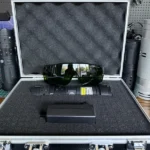
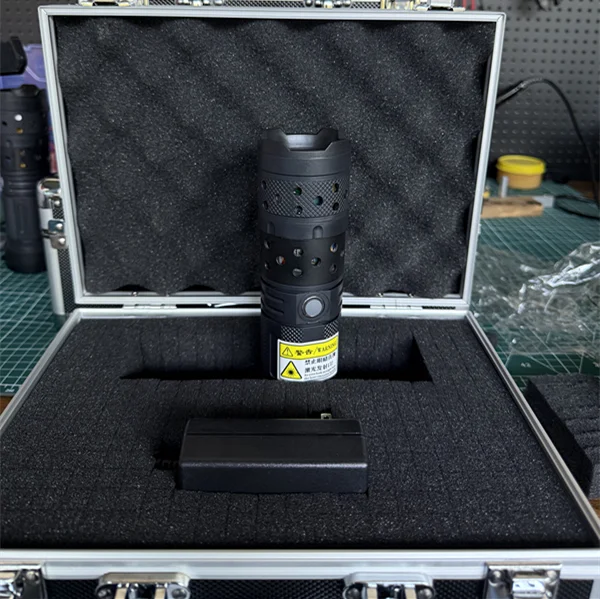
When shopping for a device, look for build quality, battery capacity, and safety features like physical lockout switches or mandatory safety glasses. Because these units output concentrated energy, you want something sturdy that will not accidentally turn on inside your backpack.
Equally important is your tinder selection. As mentioned earlier, dark and dry materials are your best friends. Here are the top tinder types that work exceptionally well with optical ignition:
- Char Cloth: Catches a spark or beam instantly and holds a glowing ember reliably.
- Blackened Tinder Fungus (Amadou): Highly absorbent and traditional for primitive and modern survival fire-craft alike.
- Dark Birch Bark Scrapings: Scraped thin and fine, the dark outer layers absorb light rapidly.
- Fatwood Dust: Finely grated resinous pine shavings will smoke and catch fire within two to three seconds of beam contact.
Step-by-Step Operating Technique
- Prepare Your Nest: Build a proper bird’s nest using ultra-fine tinder like dry grass, jute twine fluff, or cattail down, with your primary ignition tinder (like char cloth) placed right at the very center.
- Secure the Device: Place your laser fire starter on a stable surface or hold it firmly with both hands to ensure the beam does not wobble around. Precision is key.
- Aim and Focus: Point the aperture at your primary ignition tinder. Adjust the optical focus ring until the light dot shrinks down to the smallest, sharpest point possible. Remember, concentration equals heat.
- Activate and Watch: Hold the power button down. Watch the target area closely. Within a few seconds, you should see curling smoke.
- Transfer the Ember: Once smoke appears, release the button and quickly transfer your burning tinder or char cloth into your main bird’s nest, blowing gently to feed it oxygen until you get a full flame.
Top Recommendations for Portable Laser Fire Starters and Gear
If you are looking to add an optical ignition tool to your emergency kit, camping pack, or survival gear collection, it helps to know what features distinguish a novelty gadget from a robust, dependable field instrument. Below are some of the top-rated categories and specifications to keep an eye out for when sourcing your equipment.
1. High-Output Tactical Diode Units
These are built for rugged outdoor use, featuring aircraft-grade aluminum housings, rubberized grip seals, and high-capacity rechargeable lithium-ion cells.
- Best For: Serious backpackers, survivalists, and emergency preppers.
- Key Features: Adjustable focus heads, integrated safety locks, high thermal dissipation to prevent overheating during extended use, and USB-C fast charging.
2. Compact EDC (Everyday Carry) Pocket Models
Smaller, sleeker versions designed to slip right into a pocket or a small administrative pouch without weighing you down.
- Best For: Ultralight hikers, campers, and technology enthusiasts who love unique gadgets.
- Key Features: Lightweight chassis, simplified fixed-focus or quick-twist lenses, and built-in lens protection caps to prevent pocket lint from sticking to the glass.
3. Solar-Hybrid Field Kits
Some advanced setups combine a portable laser ignition diode with a small, rugged solar charging panel and specialized dark-tinder tins.
- Best For: Extended off-grid expeditions where battery preservation is critical.
- Key Features: Self-sustaining power ecosystem, weatherproof storage cases, and pre-prepared carbonized tinder supplies.
Conclusion
At the end of the day, understanding how do laser fire starters work opens up a fascinating intersection between modern optical physics and age-old wilderness survival skills. While they might not completely replace a standard ferro rod or a trusty box of waterproof matches in every single scenario, they offer an incredible alternative for anyone who loves high-tech gear and reliable performance in challenging conditions.
By focusing on proper tinder preparation, keeping your lenses clean, and respecting the raw power of concentrated light, you will find that these devices are a fantastic addition to any kit. Take your time practicing with different materials in your backyard before heading out into the backcountry, and you will master the art of optical fire lighting in no time.
Frequently Asked Questions
Do laser fire starters work in cold or freezing weather conditions?

Yes, they generally function very well in cold environments, but you do need to keep an eye on your battery performance. Extreme cold can temporarily drain lithium-ion battery capacity, so keeping the device in an inner jacket pocket close to your body heat before use ensures the internal diode fires at full power when you need it most.