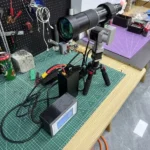


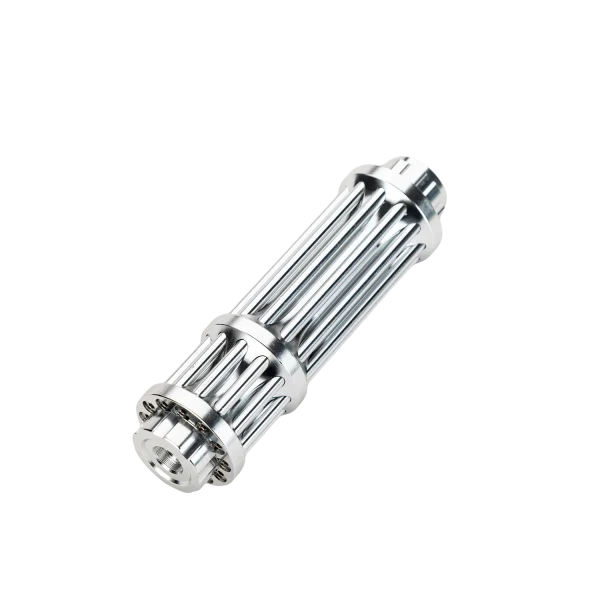

When you are out in the field or managing an off-grid setup, understanding safe handling tips for laser combustion tools can completely change how you approach fire-starting, field gear, and thermal ignition. Unlike standard electronic arc lighters or conventional plasma devices that rely on electrical electric arcs, high-powered portable laser igniters utilize a heavily concentrated, invisible or visible light beam to direct massive thermal energy onto a tiny focal point.
This intense concentration heats combustible materials up to their ignition temperature almost instantly. I have spent years handling various types of thermal gear, and let me tell you—these tools demand absolute respect. You cannot treat a high-intensity laser combustion device like an ordinary pocket lighter; the physics involved mean that a single moment of carelessness can lead to unexpected burns, stray reflections, or accidental fires long before you realize what went wrong.
Key Takeaways
- Concentrated Thermal Power: Portable laser combustion tools use focused light beams to reach ignition thresholds, differing significantly from standard electrical arc or plasma lighters.
- Beam and Reflection Awareness: Unprotected eyes are at extreme risk from both direct beams and diffuse surface reflections off shiny materials.
- Material Selection Matters: Always verify the combustion target; reflective or volatile surfaces can behave unpredictably when hit with high-density laser energy.
- Strict Discipline and Storage: Maintaining safety lockouts, using designated protective eyewear, and keeping units away from unauthorized users are non-negotiable operational habits.
Understanding the Unique Mechanics of Portable Laser Ignition
When people first transition from traditional gear to modern laser-based ignition tools, they often underestimate just how fast thermal energy transfers. I remember testing my first professional-grade handheld laser unit out on a damp wood bundle, assuming it would take a few seconds to build heat. Instead, the convergence point reached combustion temperature in a fraction of a second, catching me off guard. That experience taught me early on that these tools do not behave like standard gas torches.
Unlike a plasma lighter that discharges an electric spark across two fixed electrodes—which can easily get fouled by wind or soot—a laser igniter projects photons onto a specific coordinate. This means the beam travels in a straight line until it hits an obstruction or a target. If your hand, a stray piece of clothing, or a reflective tool crosses that invisible path, the energy transfer is instantaneous. I think many users forget that optical density doesn’t negotiate. You have to be completely mindful of your backstop, your finger placement, and the immediate surroundings every single time you power on the unit.
Essential Safe Handling Protocols for Daily Operation
Safe handling tips for laser combustion tools always start with basic discipline and proper barrier controls. Over the years, I have seen hobbyists make the mistake of treating these compact units like toys simply because they can fit inside a backpack pocket. That is a dangerous trap.
First and foremost, never point your device anywhere except at your intended combustion target. It sounds simple, but accidental clicks happen when packing gear in a hurry. Always engage the physical safety lock or remove the power source when the device is not actively in use. Furthermore, you want to pay close attention to your work angle. Striking a target straight-on can sometimes cause specular reflection—meaning the beam bounces backward off smooth or semi-gloss surfaces right toward the operator. Adjusting your approach angle slightly can deflect stray photons safely away from your body.
Here is a quick look at core handling practices to keep in mind during every session:
- Verify the Target Area: Ensure the immediate landing zone is completely clear of unexpected flammable vapors, pressurized containers, or stray debris.
- Control the Environment: Avoid operating in high-wind conditions where loose tinder might blow into the beam path unexpectedly before ignition occurs.
- Inspect the Optics: Keep the focusing lens clean and free of soot, fingerprints, or dust, as grime can cause internal beam scattering and degrade device performance.
- Never Leave It Powered: Always store the device in a secure, locked case away from children or individuals unfamiliar with high-intensity optics.
Eye Protection and Managing Invisible Beam Risks
One of the most critical aspects of safe handling tips for laser combustion tools involves protecting your vision. Many high-efficiency thermal laser igniters operate using wavelengths that might not trigger your eye’s natural blink reflex as effectively as visible light, or they use intense concentrated beams that cause instantaneous retinal damage. Even a diffuse reflection off a rough surface can create enough glare to cause temporary flash blindness or permanent harm.
Whenever I work with high-output laser gear, putting on certified laser safety glasses matched to the specific wavelength of the device is non-negotiable. It is easy to think, “Oh, I am only going to use it for a quick second, I don’t need goggles.” But optics don’t care about convenience. A stray reflection can happen faster than human reaction times. Make it a strict personal rule: if the battery is hot and the safety is off, your protective eyewear goes on first.
Material Compatibility and Combustion Behavior
Not all tinder, kindling, or fuel sources react the same way to concentrated light energy. When you apply a laser beam to dark, matte materials like charcoal, charred wood, or dark dry leaves, they absorb the photon energy rapidly and ignite cleanly. However, if you point a high-powered beam at light-colored, shiny, or metallic surfaces, the material might reflect the light unpredictably or vaporize surface coatings into noxious fumes.
I once tried to ignite a treated piece of composite material out in the field without checking its composition first, and the reaction produced an aggressive flare and thick, acrid smoke that made it immediately clear I was burning something I shouldn’t have been. Always check your target materials. If a substance has unknown chemical treatments, plastics, or volatile binders, heating it rapidly with a concentrated laser beam can release hazardous gases or cause miniature explosions. Stick to natural, dry, approved combustibles designed for rapid thermal activation.
Conclusion
Mastering safe handling tips for laser combustion tools is ultimately about building a mindset of absolute awareness, respect for optical physics, and disciplined field habits. Because these devices pack intense thermal concentration into a portable frame, treating them with casual indifference is simply not an option. By keeping your optics clean, wearing appropriate wavelength-specific eye protection, maintaining strict control over your beam path, and carefully selecting your targets, you can harness the incredible efficiency of laser ignition safely and reliably.
Frequently Asked Questions
What makes laser combustion tools different from standard plasma or arc lighters?

Unlike plasma lighters that generate an electric arc between two electrodes to create a spark, portable laser combustion tools use a concentrated beam of light energy to heat a specific focal point directly to its ignition temperature. This allows for precise, wind-proof ignition from a distance, but it also requires much stricter adherence to laser safety protocols regarding beam paths and eye protection.